
Corns Treatment in Pleasanton, CA
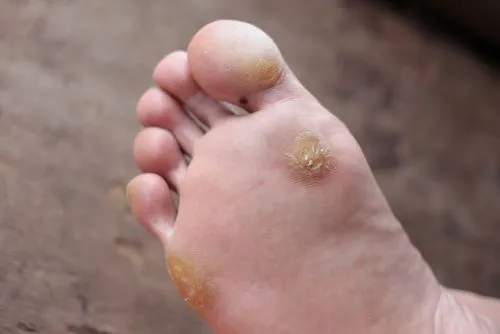
What Are Corns?
Corns are areas of thickened skin that develop in response to repeated friction or pressure, often from ill-fitting shoes or abnormal foot mechanics. They most commonly appear on the tops and sides of toes or on weight-bearing areas of the feet. While corns form as the body’s way of protecting itself, the hardened tissue can become painful and inflamed, especially when pressed inside tight footwear.
Why Corns Develop
Corns frequently occur in people who wear shoes that are too tight, have high arches or hammertoes, or spend long hours standing. Poorly fitted socks, biomechanical issues, or certain foot deformities can also contribute. In some cases, aging skin or changes in gait can make people more prone to developing them. Understanding what causes pressure or friction on the foot makes providing relief much easier.
Treatment Options for Corns
At East Bay Foot Clinic, treatment begins with a careful examination to determine the cause of the corn and any contributing foot alignment issues. Conservative approaches may include trimming or debriding the thickened skin, using padding or orthotic inserts to redistribute pressure, and recommending shoes with a wider toe box. Our Pleasanton, CA, podiatrists may also prescribe topical treatments to soften the skin and reduce callus buildup.
For patients with diabetes or poor circulation, professional foot care is especially important for avoiding infection or ulceration. The team provides safe, medical-grade care personalized to each patient’s unique needs. If structural problems are contributing to chronic corns, additional corrective options may be discussed to improve long-term comfort and mobility.
Mobile Podiatry for Convenient, Accessible Care
East Bay Foot Clinic also offers mobile podiatry services for patients who prefer care in their own homes. This option is ideal for those with limited mobility, chronic conditions, or busy schedules. Our mobile care team brings the same level of expertise and attention found in the clinic directly to the patient, ensuring comfort and continuity of care.