
Plantar Fasciitis in Pleasanton, CA
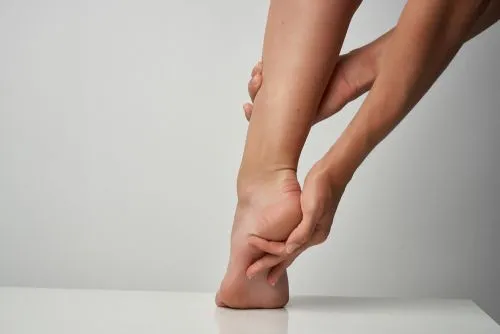
Ignoring this pain is inefficient and allows the condition to become chronic, leading to compensatory gait changes that can cause knee, hip, and back problems. A definitive approach requires correcting the mechanical failures that cause the fascial strain.
At East Bay Foot Clinic in Pleasanton, CA, Dr. Zeineldin Ahmad, DPM, Dr. Rebecca M. 'Akolo, DPM, and Dr. Steven Ea, DPM, utilize advanced podiatric strategies to resolve the chronic inflammation and structural imbalances that cause plantar fasciitis.
The Mechanical Origins of Fascial Strain
Plantar fasciitis is fundamentally a structural issue caused by excessive tension on the fascia. The most common mechanical contributors are:
- Overpronation or High Arches: Faulty foot biomechanics (where the foot rolls inward excessively or has a very rigid arch) cause the plantar fascia to stretch abnormally with every step.
- Tight Calf Muscles: Tightness in the Achilles tendon and calf muscles is a major contributing factor, as it restricts normal ankle flexibility and applies continuous, excessive pulling tension on the heel bone where the fascia attaches.
- Improper Footwear: Wearing shoes with poor arch support, inadequate cushioning, or flat soles (like flip-flops or worn-out athletic shoes) dramatically increases the strain on the fascia.
- Increased Activity or Weight: A sudden increase in physical activity or body weight places greater load on the fascia, leading to inflammation and injury.
Solutions for Heel Pain
The most effective treatment for plantar fasciitis is a multi-modal strategy focused on reducing inflammation, offloading the fascia, and correcting the biomechanical faults. Services at our Pleasanton, CA, office include:
- Custom Orthotics: Custom-molded orthotics provide precise, individualized support to the arch, correcting faulty foot mechanics (overpronation) and ensuring that the plantar fascia is properly supported and optimally loaded during walking and running.
- Targeted Anti-Inflammatory Therapies: Depending on the severity, treatments may include corticosteroid injections to rapidly reduce acute inflammation and pain directly at the heel attachment point.
- Night Splints and Stretching Protocols: Night splints gently hold the foot in a dorsiflexed (stretched) position while sleeping, preventing the fascia and calf muscles from tightening overnight. This is crucial for eliminating the sharp morning pain.
- Physical Therapy and Functional Rehabilitation: Specific stretching and strengthening protocols are essential for long-term recovery. These focus on increasing flexibility in the calf muscles and Achilles tendon and strengthening the intrinsic muscles of the foot to stabilize the arch.
The End of Chronic Heel Pain
You do not have to live with the debilitating discomfort of plantar fasciitis. By diagnosing the specific cause of your fascial strain and implementing a plan that addresses both structure and inflammation, the goal is a complete and lasting return to pain-free mobility.